Portfolio
From Careful Selection to a Roof That Lasts

Understanding what businesses must demonstrate to be featured in Truss Handbook—and how you can evaluate them before you hire.
Standards
When you need roofing work done, you are making a decision that affects your home's protection and your family's safety for years to come. The challenge is that not every contractor is equal, and a lower price or smooth sales pitch does not tell you whether someone will actually deliver quality work and stand behind it. Many homeowners hire the first contractor who returns their call, only to discover later that the work was done poorly, the crew was unprofessional, or the promised timeline was just an estimate they felt free to ignore. Others get caught by contractors who vanish after a storm, charging premium emergency prices with no intent to show up if the weather clears. Truss Handbook exists to help you avoid these problems by featuring only the contractors who have demonstrated genuine expertise, professional behavior, and a track record of customer satisfaction. Every business listed here has been evaluated against meaningful standards, not just an ability to pay a listing fee.
Evaluation
Before you even call a contractor, understanding what to look for will help you recognize quality when you encounter it. These are the key factors that separate professional contractors from ones you should avoid, and knowing them in advance makes your decision process faster and more confident.
Portfolio

Some roofing issues are simple enough that a homeowner can handle them, but most situations benefit from professional assessment and execution. You should absolutely call a qualified contractor if you notice signs of active leaking water inside your home, visible sagging or structural damage to the roof line, missing or damaged shingles in patterns across large roof sections, or if your roof is reaching the end of its typical lifespan based on the roofing material type. You should also call a professional if you are planning to have work done but want an honest evaluation before starting, since a good contractor's assessment will tell you what really needs doing versus what can wait. Emergency situations—like damage from a storm—obviously demand immediate professional response to prevent further water intrusion. Many homeowners also call for routine inspections every few years, which is an excellent way to catch small problems before they become expensive ones and to keep your roof in good condition throughout its life.
Comparison
Different roofing approaches and contractors can vary significantly in their approach, timeline, and cost. Understanding the differences helps you ask better questions and recognize when a contractor's proposal makes sense for your specific situation and goals.
| Roofing Work Type | Timeline | Cost Range | When It Applies |
|---|---|---|---|
| Emergency Leak Repair | Same day to 2 days | $500–$2,000 | Active leaks, storm damage, water intrusion risk |
| Partial Roof Repair | 3–7 days | $1,500–$5,000 | Localized damage, small sections, isolated problems |
| Full Roof Replacement | 3–5 weeks planning, 5–10 days installation | $8,000–$25,000+ | End of roof lifespan, structural concerns, major damage |
| Routine Inspection | 2–4 hours | $200–$600 | Preventive maintenance, peace of mind, early problem detection |
| Costs vary based on roof size, material, location, and contractor. These ranges reflect typical residential work in this region. Always get multiple written estimates before making a decision. | |||
Verification
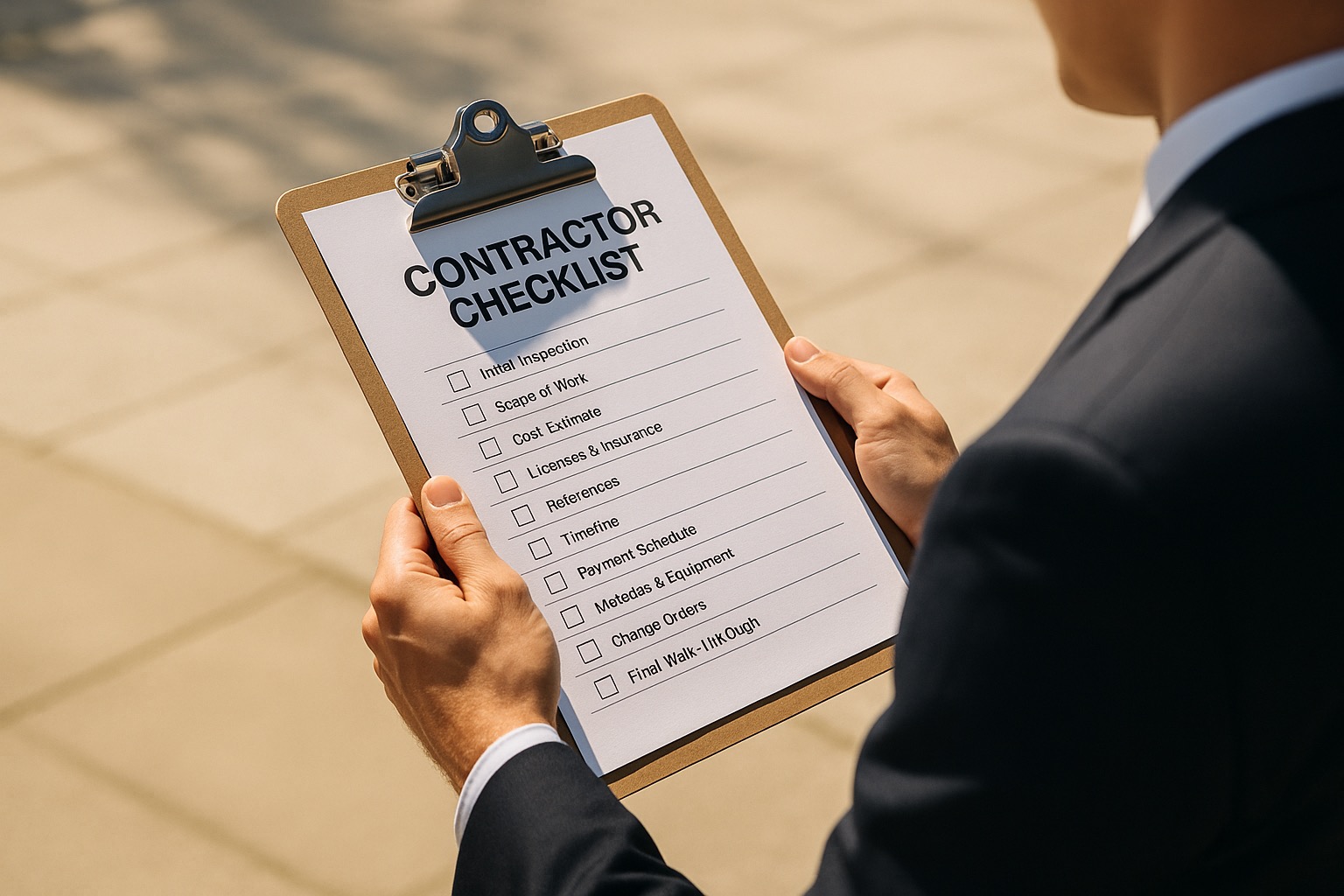
Any business we list is expected to carry current licensing and insurance, and we encourage readers to confirm that themselves rather than take our word for it alone. You can verify a roofing contractor's standing at the Better Business Bureau, which covers what to check and how to spot a storm-chaser scam before you sign anything. The BBB provides a consumer checklist for licensing verification, insurance confirmation, reference checks, and written estimate review—exactly the process that separates a good hiring decision from a risky one. Taking time to verify a contractor's credentials and track record is not just a precaution; it is the most important step you can take to protect your home and ensure you get quality work.